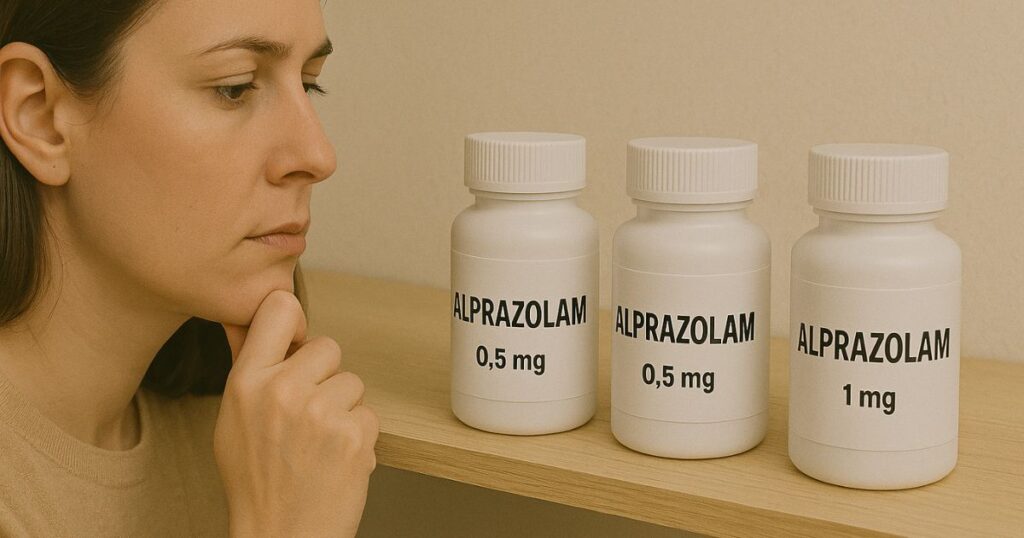
Alprazolam Dosage Guidelines: Balancing Effectiveness and Safety for Optimal Use
Alprazolam is a benzodiazepine commonly prescribed for panic disorder and short-term management of moderate to severe anxiety. Because it acts quickly and powerfully on the central nervous system, correct dosing is essential. Using too little may not relieve symptoms, while using too much—or using it incorrectly—can increase the risk of side effects, dependence, and withdrawal.
This guide explains the principles behind alprazolam dosage, how clinicians determine safe and effective use, and what patients should understand to use this medication responsibly.
Why Alprazolam Dosage Must Be Carefully Managed
Alprazolam works by enhancing GABA, a neurotransmitter that reduces excessive brain activity. Because of its fast onset and relatively short duration, dosing must strike a careful balance between symptom relief and safety.
- Too high a dose may cause excessive sedation or impaired coordination
- Too frequent dosing may increase tolerance and dependence risk
- Irregular use can lead to rebound anxiety
- Sudden discontinuation can cause withdrawal symptoms
For these reasons, alprazolam dosing guidelines are always individualised and supervised by a licensed clinician.
General Clinical Principles for Alprazolam Dosing
While specific doses are determined by a healthcare professional, clinicians generally follow these principles:
- Start low: Initial doses are kept minimal to assess tolerance.
- Increase gradually if needed: Adjustments are made slowly based on response.
- Use the lowest effective dose: The goal is symptom control, not sedation.
- Limit duration: Alprazolam is typically prescribed short-term or intermittently.
These principles help reduce the risk of side effects while maintaining therapeutic benefit.
Typical Dosage Ranges (Clinical Overview)
Important: The following information is for educational purposes only and is not a substitute for personalised medical advice.
Clinically, alprazolam is often prescribed within low-dose ranges for anxiety or panic disorders. Dosing depends on:
- Severity and type of symptoms (panic vs generalised anxiety)
- Age and body sensitivity
- Other medications being taken
- History of benzodiazepine use
Extended-release formulations may be used in some cases to provide steadier symptom control and reduce peaks and troughs.
Factors That Influence the Right Alprazolam Dosage
Condition Being Treated
Panic disorder often requires different dosing strategies than situational or acute anxiety. Clinicians tailor dosing to symptom frequency and intensity.
Age and Physical Health
Older adults or those with liver or respiratory conditions typically require lower doses due to increased sensitivity.
Other Medications
Certain medicines—such as opioids, sleep aids, antidepressants, or antifungal drugs—can interact with alprazolam and affect safe dosing.
Duration of Use
Short-term use carries fewer risks than daily, long-term use. The longer alprazolam is taken, the more carefully dosing must be monitored.
Common Side Effects Related to Dose
Side effects are more likely at higher doses or with frequent use. These may include:
- Drowsiness or fatigue
- Dizziness or light-headedness
- Memory or concentration difficulties
- Slowed reaction time
- Impaired coordination
If side effects interfere with daily functioning, the dose may need adjustment or reassessment.
Dependence, Tolerance, and Dosage Considerations
One of the most important reasons clinicians limit alprazolam dosage is the risk of dependence.
- Tolerance: The same dose becomes less effective over time.
- Dependence: The body adapts, making it difficult to stop without symptoms.
- Withdrawal: Sudden dose reduction may cause anxiety, insomnia, tremors, or agitation.
To reduce these risks, clinicians may:
- Limit daily dosing
- Recommend intermittent use
- Plan gradual tapering when discontinuing
- Transition patients to longer-term anxiety treatments
Safe Use Tips for Patients
If you have been prescribed alprazolam, these practices support safer use:
- Take it exactly as prescribed—never increase the dose on your own.
- Avoid alcohol and other sedatives.
- Do not drive or operate machinery until you know how it affects you.
- Store the medication securely and never share it.
- Keep regular follow-up appointments with your clinician.
Responsible use is key to balancing alprazolam effectiveness and safety.
Alternatives When Dose Escalation Is Needed
If symptoms persist despite careful dosing, clinicians often recommend alternatives rather than increasing alprazolam indefinitely:
- SSRIs or SNRIs for long-term anxiety control
- Buspirone or other non-benzodiazepine options
- Cognitive Behavioural Therapy (CBT)
- Stress management, sleep optimisation, and lifestyle strategies
These options address anxiety at its source and reduce reliance on short-acting benzodiazepines.
Frequently Asked Questions
Is a higher alprazolam dose more effective?
Not necessarily. Higher doses increase side effect and dependence risk without always improving symptom control.
Can I adjust my alprazolam dose myself?
No. Any dose changes should be discussed with a licensed clinician.
Why does alprazolam stop working as well over time?
Tolerance can develop with regular use, which is why long-term daily dosing is discouraged.
Is extended-release alprazolam safer?
It may provide steadier symptom control for some patients, but safety still depends on appropriate dosing and supervision.
What should I do if I miss a dose?
Follow your clinician’s advice. Do not double up doses to compensate.
Final Thoughts
Alprazolam dosage guidelines exist to protect patients while delivering meaningful relief from anxiety or panic symptoms. The safest approach is always the lowest effective dose for the shortest necessary duration, combined with regular medical review.
If you have questions about your alprazolam dose or feel it is no longer working as intended, speak with a licensed healthcare professional before making any changes. Responsible use ensures that alprazolam remains a helpful tool—not a long-term risk.