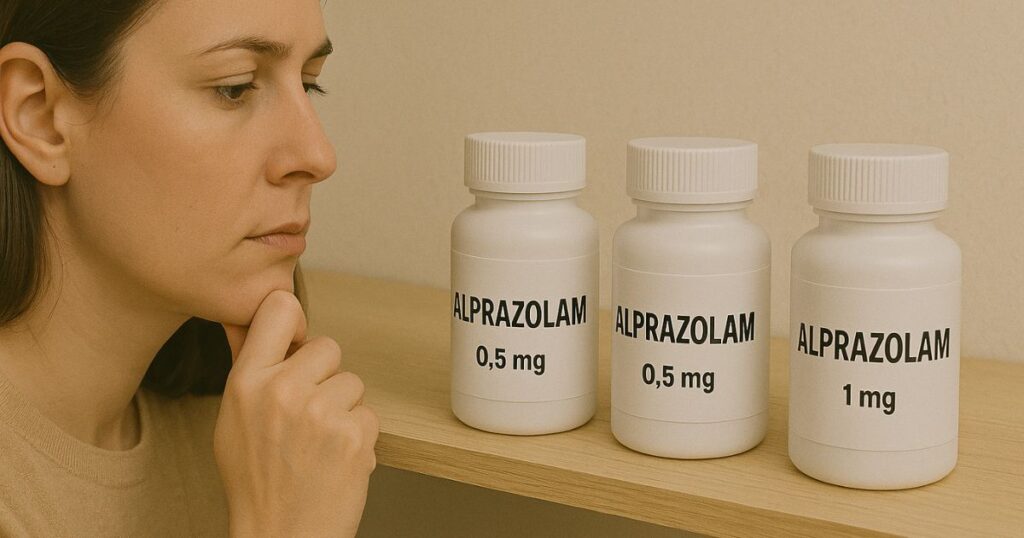
Alprazolam and Xanax: A Comprehensive Comparison for Everyday Users
Alprazolam is one of the most widely prescribed benzodiazepines for panic disorder and moderate-to-severe anxiety. However, because it is sold under the well-known brand name Xanax, many people wonder whether alprazolam and Xanax are the same medication—or if differences exist that could affect treatment outcomes.
This guide offers a clear, patient-focused comparison of alprazolam vs Xanax, highlighting similarities, differences, common patient experiences, and essential safety considerations. Whether you are new to benzodiazepines or seeking clarity on your prescription, this article provides insight grounded in clinical understanding and responsible use.
Are Alprazolam and Xanax the Same?
In short: Xanax is a brand name, while alprazolam is the active ingredient. This means that:
- All Xanax tablets contain alprazolam
- Not all alprazolam tablets are branded as Xanax
- Both work in the same way, assuming they come from regulated, licensed pharmacies
Clinically, alprazolam and Xanax produce the same therapeutic effects when manufactured under approved pharmaceutical standards.
How Alprazolam/Xanax Works
Alprazolam enhances GABA activity—a neurotransmitter responsible for calming the central nervous system. As a result, it reduces:
- Acute anxiety
- Panic symptoms
- Racing thoughts
- Physical agitation
Because alprazolam works quickly, patients often feel relief within 20–60 minutes, making it a common short-term option for panic-related symptoms.
Key Similarities Between Alprazolam and Xanax
Since Xanax is simply a brand-name version of alprazolam, the two share several characteristics:
- Same active ingredient: Alprazolam
- Same effects: Anxiolytic, sedative, and anti-panic properties
- Same dosage strengths: Typically 0.25 mg, 0.5 mg, 1 mg, 2 mg
- Same clinical uses: Panic disorder, acute anxiety episodes
- Same side effect profile: Drowsiness, dizziness, cognitive slowing, dependence risk
From a treatment standpoint, patients can expect similar outcomes—provided the medication is obtained legally from a licensed provider.
Are There Differences Between Alprazolam and Xanax?
Although the active ingredient is identical, some differences may be noticed due to:
Brand vs Generic Manufacturing
Xanax is produced under a specific branded formulation, whereas generic alprazolam is produced by various approved manufacturers. Differences may include:
- Inactive ingredients (fillers, binders)
- Tablet appearance (shape, colour, imprint)
- Rate of breakdown in the stomach
Most patients experience no significant difference, but a small number report variations in how quickly effects onset or how long they last.
Perception and Familiarity
Some users psychologically associate the brand name Xanax with stronger or more reliable effects due to reputation. In reality, clinical effectiveness is the same when medications meet regulatory standards.
Availability and Regulation
In the UK, alprazolam is classified as a controlled drug and is not commonly prescribed on the NHS. Private clinicians may prescribe it in certain situations, but only following thorough assessment. Importantly, Xanax is frequently counterfeited online, making pharmacy-dispensed medication the only safe option.
Patient Experiences: Alprazolam vs Xanax
Patients often share similarities in their experiences, including:
Fast Relief During Panic Episodes
Users commonly describe a noticeable calming effect within an hour, making alprazolam a trusted option for acute anxiety.
Stronger Perceived Effect from Xanax
Some individuals report that the branded version feels “smoother” or “more predictable,” though clinical evidence shows no pharmacological difference.
Short Duration of Action
Alprazolam wears off faster than longer-acting benzodiazepines like clonazepam or diazepam, which can lead to:
- Rebound symptoms
- Multiple doses per day (when prescribed)
- A cycle of peaks and troughs in anxiety relief
Concerns About Dependence
Patients often note how quickly tolerance can develop, especially with daily or unsupervised use.
Clinical Perspectives on Alprazolam
Healthcare professionals highlight important considerations:
- Best used short-term or intermittently
- High dependence risk compared to some other benzodiazepines
- Rapid onset can make misuse more likely if not monitored
- Not recommended for long-term anxiety management
Clinicians often prefer alternative treatments for ongoing anxiety, such as SSRIs or CBT.
Safety Considerations for Alprazolam or Xanax
Both medications share identical risks, including:
- Drowsiness and sedation
- Memory impairment
- Slowed reaction time
- Dependence with prolonged use
- Withdrawal symptoms if stopped abruptly
- Severe risk when combined with alcohol or opioids
Any use of alprazolam or Xanax should be closely supervised by a licensed clinician.
Which Is Better: Alprazolam or Xanax?
From a clinical standpoint:
- Both are equally effective when sourced legally and used as prescribed.
- Differences are usually minor and related to inactive ingredients or patient perception.
- Safety and regulation matter far more than brand name.
The most important factor is receiving the correct medication through a trusted healthcare provider.
Frequently Asked Questions
1. Are alprazolam and Xanax the same strength?
Yes. Equivalent doses contain the same amount of active ingredient.
Why do some people say Xanax feels stronger?
Perception, brand familiarity, and differences in inactive ingredients may influence patient experience—but clinically, they are the same.
Can I switch between alprazolam and Xanax?
Possibly, but only under medical supervision to ensure dosing consistency and safety.
Is alprazolam addictive?
Yes. Both alprazolam and Xanax carry significant dependence risk, especially with long-term use.
What are safer long-term alternatives?
SSRIs, SNRIs, buspirone, CBT, lifestyle changes and mindfulness techniques are commonly recommended.
Final Thoughts
Alprazolam and Xanax are clinically equivalent medications offering fast, effective relief for acute anxiety and panic symptoms. However, their power also comes with risks—particularly dependence and withdrawal—making careful, supervised use essential.
If you’re considering alprazolam or transitioning between versions, speak with a licensed clinician to ensure your treatment plan is safe, appropriate, and tailored to your needs.