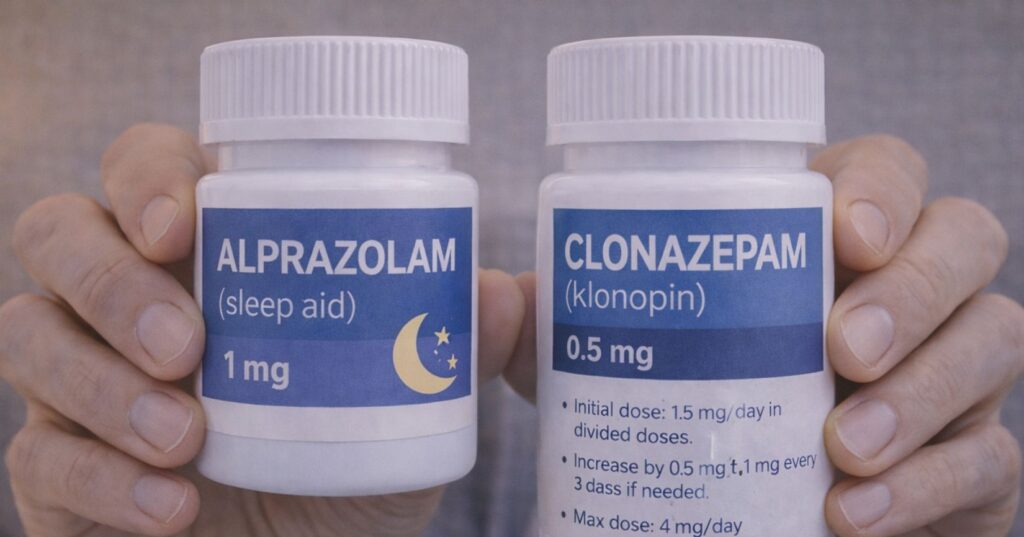
Alprazolam vs Clonazepam: Key Differences and Similarities Explained
Alprazolam and clonazepam are both prescription-only benzodiazepines widely used to manage anxiety-related conditions. Although they belong to the same drug class and share some similarities, they differ in how quickly they work, how long their effects last, and how they are typically prescribed. Understanding these differences is important for patients, caregivers, and anyone prescribed either medication.
This guide explains the key differences and similarities between alprazolam and clonazepam, how each is used, and what factors clinicians consider when choosing between them.
What Are Alprazolam vs Clonazepam?
Both alprazolam and clonazepam are benzodiazepines, meaning they act on the central nervous system by enhancing the effect of a calming neurotransmitter. This leads to reduced anxiety, muscle relaxation, and a sedative effect.
Despite this shared mechanism, their clinical use differs due to variations in onset, duration, and risk profile.
Common uses of alprazolam
- Panic disorder
- Acute anxiety episodes
- Short-term relief of severe anxiety symptoms
Common uses of clonazepam
- Panic disorder
- Seizure and epilepsy management
- Certain severe anxiety conditions
Onset of Action
One of the most significant differences between alprazolam and clonazepam is how quickly they start working.
Alprazolam has a relatively fast onset of action. Many patients feel its calming effects within a short period, which is why it is commonly prescribed for sudden panic attacks or acute anxiety episodes.
Clonazepam has a slower onset but still works reliably. Because it does not act as quickly, it is often less associated with rapid symptom relief but provides steadier control over time.
Duration of Effects
The duration of action is another important distinction.
Alprazolam is considered a shorter-acting benzodiazepine. Its effects wear off relatively quickly, which can lead to fluctuations in symptom control if doses are missed or delayed.
Clonazepam is longer-acting. Its effects last longer in the body, providing more sustained symptom control and reducing the need for frequent dosing.
This difference often influences prescribing decisions, particularly for ongoing conditions.
Dosing Frequency
Because of its shorter duration, alprazolam is often prescribed to be taken multiple times per day, depending on the condition being treated.
Clonazepam’s longer-lasting effect often allows for less frequent dosing, which some patients find easier to manage and more consistent.
Similarities in Therapeutic Effects
Despite their differences, alprazolam and clonazepam share several therapeutic similarities.
- Both reduce anxiety and panic symptoms
- Both have sedative and calming effects
- Both can cause muscle relaxation
- Both may help reduce physical symptoms of anxiety such as tension
These shared effects explain why both medicines are commonly discussed together.
Side Effects: How They Compare
Both alprazolam and clonazepam can cause side effects, many of which overlap.
Common side effects of both medicines
- Drowsiness or fatigue
- Dizziness or light-headedness
- Reduced concentration
- Slower reaction times
Because clonazepam lasts longer, some patients may experience more prolonged sedation, while alprazolam may be associated with more noticeable “wearing off” effects between doses.
Warning signs with either medication
- Confusion or memory problems
- Unsteadiness or increased fall risk
- Slurred speech
- Changes in mood or behavior
Any concerning symptoms should be discussed with a healthcare professional.
Dependence and Misuse Risk
Both alprazolam and clonazepam carry a risk of tolerance, dependence, and withdrawal symptoms, particularly with long-term use.
Alprazolam is often considered to have a higher misuse potential due to its fast onset and shorter duration, which can reinforce repeated dosing.
Clonazepam, while still carrying risk, may result in a more stable blood level due to its longer action, potentially reducing some misuse patterns when appropriately prescribed.
Neither medication should be stopped suddenly after regular use.
Withdrawal Differences
Withdrawal symptoms can occur with both medicines if discontinued abruptly.
- Rebound anxiety
- Sleep disturbance
- Irritability
- Physical discomfort
Because alprazolam leaves the body more quickly, withdrawal symptoms may appear sooner and feel more intense if stopped suddenly. Clonazepam withdrawal may be more gradual but still requires careful tapering.
Interactions and Safety Considerations
Both alprazolam and clonazepam interact with other central nervous system depressants.
- Alcohol, which greatly increases sedation and breathing risk
- Opioid painkillers
- Other benzodiazepines or sleeping tablets
- Certain antidepressants and antipsychotics
Combining these medicines without medical guidance can be dangerous.
How Clinicians Choose Between Alprazolam vs Clonazepam
The choice between alprazolam and clonazepam depends on several clinical factors.
- Whether symptoms are sudden or persistent
- Need for rapid relief versus sustained control
- History of medication sensitivity or misuse
- Presence of seizure disorders
- Patient lifestyle and ability to manage dosing schedules
There is no universally “better” option—only what is most appropriate for the individual.
FAQs About Alprazolam vs Clonazepam
Is alprazolam stronger than clonazepam?
Not necessarily. They differ in potency, duration, and dosing, making direct comparison difficult.
Can they be used together?
Using them together is uncommon and increases risk. This should only occur under specialist supervision.
Which is better for panic disorder?
Both can be effective. Alprazolam may help acute panic, while clonazepam may offer steadier control.
Are they safe for long-term use?
Long-term use is generally discouraged unless clearly indicated and closely monitored.
Understanding the Differences Matters
When comparing alprazolam vs clonazepam, the key differences lie in how quickly they work, how long their effects last, and how they are typically used. Both medicines can be effective for anxiety and panic-related conditions, but both also carry significant risks if misused or taken long term.
Patients should never switch between these medicines or adjust doses without medical guidance. With proper prescribing, monitoring, and short-term use where appropriate, alprazolam and clonazepam can play a valuable role in managing severe symptoms while minimizing avoidable risks.